
Field Index
5 Vintage Boutiques on Garosu-gil and Beyond (Gangnam 2026)
An editorial walk along the 700-metre strip and into the side alleys — curated vintage, Korean designer pieces, and one design flagship that closes the loop.
Garosu-gil reads, from a distance, as a single retail spine — the 700-metre tree-lined corridor in Sinsa-dong that runs from Sinsa Station toward Apgujeong — but the real density of the neighbourhood is in the side alleys (serosu-gil) running perpendicular off the main street. That is where the vintage and concept-store ecosystem actually lives. I treat Garosu-gil itself as the connective tissue and the side alleys as the destinations; the route below is built that way. The five entries below are presented as Featured A through E, in walking order from the Sinsa Station entrance northward toward Apgujeong, not as a ranking. The first entry is the corridor itself, used as an editorial anchor; the next three are named vintage and concept boutiques the corridor is best known for; the fifth is a Garosu-gil design flagship that does not sell vintage clothing but anchors the strip's design lineage and closes the loop on a half-day visit. Like the dessert piece on this site, the editorial position is convergence — Korean retail design, vintage curation, and product-engineering precision are doing the same work at slightly different temperatures, and Garosu-gil is the cleanest single place to read all three at once.
How to read this Garosu-gil vintage map
Vintage in Garosu-gil is not thrift. The pricing band is closer to a curated mid-market designer boutique than a bulk second-hand store, and the curation runs heavily toward one-off American vintage clothing, Korean reworked pieces, and a small share of European designer archive. The five entries below sit across three formats — a connective-tissue retail strip (Featured A), three named boutiques (Featured B, C, and D), and a related Garosu-gil design flagship (Featured E) — and the editorial position is that walking all five in one afternoon is a realistic half-day plan. To make this readable, I have classified each entry on three axes: Format (strip walk, named boutique, or flagship), Specialty (the category the entry is best known for), and Price band (KRW range per piece, as a planning anchor rather than a strict range). The strip itself (Featured A) is the entry I send to first-time visitors who want to read the neighbourhood before committing to a single shop; the named boutiques (B through D) are the entries to anchor a return trip on; and Featured E is the closing stop that ties the design-flagship lineage back into the vintage conversation.
A note on what this list is not. It is not a list of every vintage shop in Gangnam — Garosu-gil and the side alleys hold many more rooms doing strong work, and a complete index would be unreadable. It is also not a wholesale or bulk vintage guide; visitors looking for sub-KRW 20,000 bulk thrift will not find it here, and the better neighbourhoods for that pace are east of the river in Seongsu or further north toward Itaewon and Hannam-dong. Finally, it is not a list of pop-up programming; pop-ups rotate on a roughly six-to-eight-week cycle and a static list cannot do them justice. With those guardrails in place, the five entries below are the rooms and the corridor I most often send to friends planning a Sinsa retail afternoon, and they have all cleared the same two-source published-coverage threshold used in the dessert piece.
Featured A — Garosu-gil vintage strip (the 700-metre tree-lined corridor)
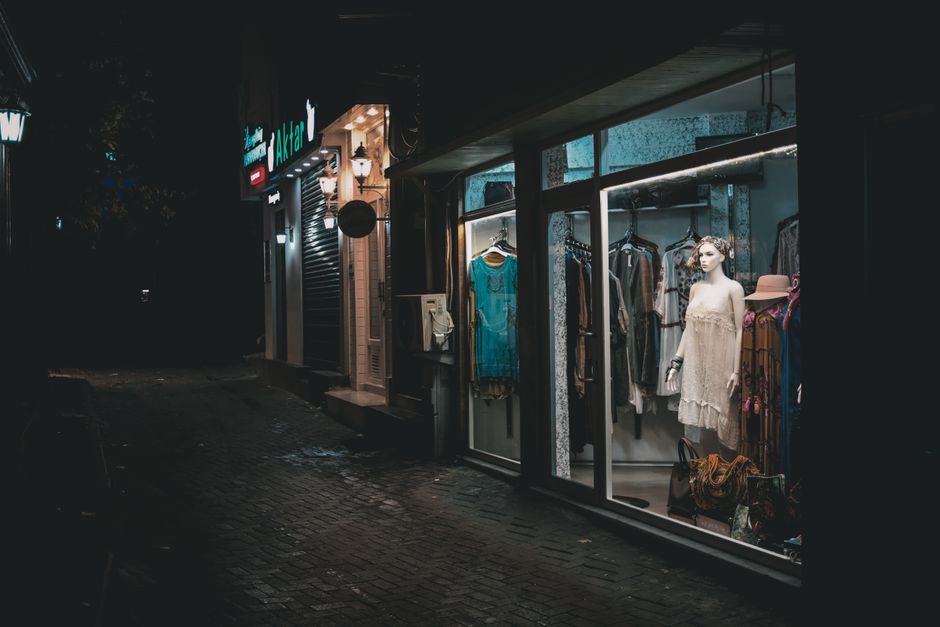
Garosu-gil is the connective tissue of the entire Sinsa retail ecosystem and the entry I treat as the editorial anchor for this list. The strip runs roughly 700 metres from Sinsa Station northward toward Apgujeong, lined with ginkgo trees that turn yellow in autumn and create the most photographed retail walk in the district. Format is an open-air shopping strip, hours run roughly 11:00 to 22:00 across most ground-floor shops, and the price band across the strip's vintage and concept stores lands at KRW 30,000 to KRW 300,000-plus per piece, depending on the boutique. The address is Garosu-gil, Sinsa-dong, Gangnam-gu, Seoul, and the strip is bookended by Sinsa Station (Line 3) on the south and the Apgujeong residential edge on the north.
The operational geometry is the part most international visitors miss on a first walk. Garosu-gil itself — the tree-lined main street — is dominated by larger concept stores, flagship boutiques, and a small cluster of mega-cafes. The vintage density actually lives in the side alleys, called serosu-gil locally, that run perpendicular off Garosu-gil at roughly fifty-metre intervals. These alleys are quieter, the storefronts are smaller, and the curation skews more toward one-off vintage and reworked Korean designer pieces than the high-traffic main-street flagships. The editorial pattern I send to friends is to walk Garosu-gil north along the east side of the street, duck into a side alley every two or three storefronts to scan the boutiques, then return south along the west side to capture the alleys that branch off the other direction. The full loop runs roughly ninety minutes at a comfortable pace, and the side-alley density rewards the slower walk.
Language support is mixed across the strip. The anchor stores on the main street tend to carry English-language signage and English-speaking staff at the counter; the smaller side-alley boutiques tilt toward Korean signage and partial English at the counter, with translation handled through phone-based services on both sides. Pairing: the SONA reservation-only patisserie (covered in the dessert piece on this site) sits at the Sinsa end of the strip and works as either a pre-walk anchor or a post-walk reward, and the Featured E entry on this list closes the loop at the Apgujeong end. If you are arriving by subway, Sinsa Station Exit 8 is the cleanest entrance; if you are arriving by Uber or Kakao Taxi, the request point on the main strip near the Sinsa Tobang intersection is the standard meeting spot.

Featured B — Spicy Color (three-floor Korean designer anchor)
Spicy Color is one of the longest-running Garosu-gil concept boutiques and the entry I include as the strip's design-anchor reference. The boutique occupies three floors of modern colorful Korean designer pieces, and editorial Garosu-gil guides repeatedly highlight it as one of the anchor non-chain stores that defines the neighbourhood's design-shop character. Format is a multi-floor boutique with sit-and-browse interior pacing, hours run daily 12:00 to 21:00, and the price band lands at KRW 40,000 to KRW 200,000 per piece — closer to a curated mid-market designer boutique than a vintage thrift in the European sense. The address sits on Garosu-gil proper in Sinsa-dong, Gangnam-gu, Seoul, and the storefront is identifiable by the colour-saturated window staging that the boutique rotates roughly every six weeks.
The value proposition is the curation more than the inventory size. The boutique buys across small Korean designer labels — many of them recent graduates from the major design programs in Seoul or alumni of larger Korean fashion houses who have moved into independent practice — and the floors are organised by colour and silhouette rather than by brand. The first floor anchors the most photographable pieces and the seasonal staging; the second floor runs the deeper inventory across casual and dressier categories; the third floor tends to rotate accessories and smaller pop-up programming. English support at the counter is consistent. The team is comfortable walking an international visitor through the labels and the construction notes on each piece, which is the kind of context that turns a fifteen-minute browse into a forty-five-minute visit.
From a sequencing standpoint, Spicy Color is the entry I most often place in the middle of the Garosu-gil walk rather than at either end. The strip rewards a slow visual reset every twenty minutes — a longer indoor sit, a single anchor purchase decision, a coffee break — and Spicy Color is sized for the longer sit. Pairing: the side alleys immediately east of the boutique carry the highest density of one-off vintage stops (covered in Featured A above), and the Featured C boutique below sits within a five-minute walk. Walk-in only, no reservation, and the room rarely runs more than a five-minute wait outside Saturday afternoon peak. The boutique is the entry that defines what most international Garosu-gil visitors mean when they say 'Korean designer shopping,' and it is the entry I would not skip on a first visit.
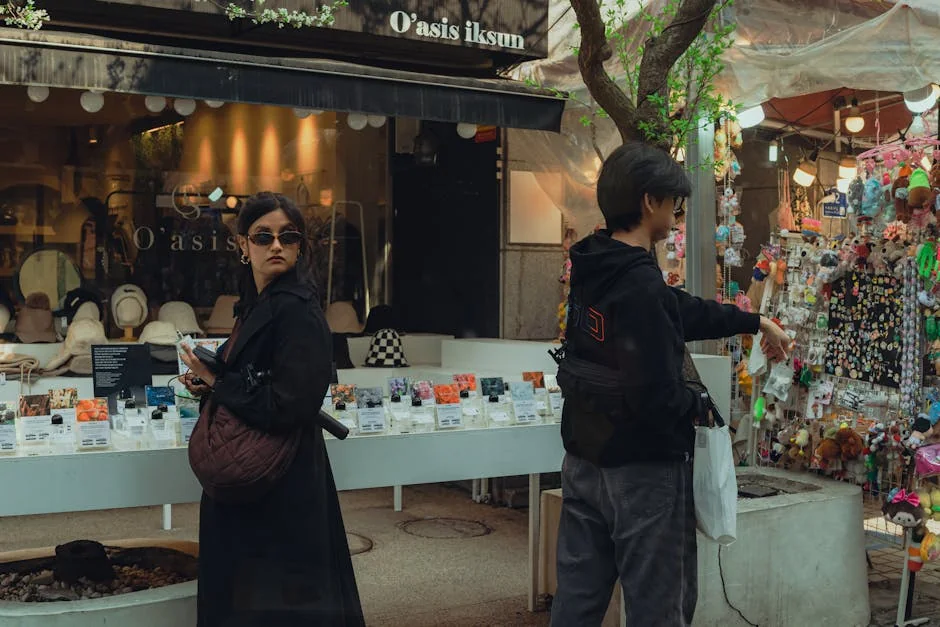
Featured C — 9 Owls (curated vintage boutique)
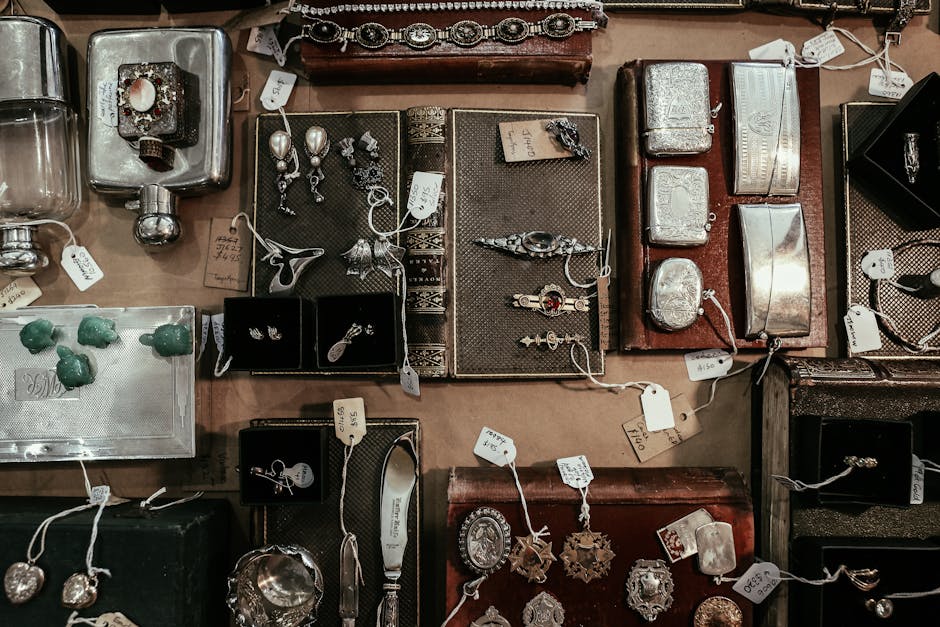
9 Owls is the entry on this list that comes closest to a Western definition of curated vintage. The boutique runs a hand-picked selection rather than a bulk thrift — the inventory leans toward one-of-one pieces across American vintage clothing, European archive items, and the occasional Korean reworked piece — and editorial Garosu-gil short lists regularly name it as the strip's most consistent vintage stop. Format is a small ground-floor boutique with rack-led browsing rather than fitted display, hours run daily 12:00 to 21:00, and the price band lands at KRW 30,000 to KRW 150,000 per piece, which is a notch below the Spicy Color band and a step above the side-alley wholesale rooms.
The curation philosophy is the part worth a longer look. 9 Owls buys for one-off-ness, not for category coverage. That means visitors hunting a specific decade or a specific designer label can come away empty-handed; visitors who walk in willing to be surprised tend to find a piece they did not know they were looking for. The inventory turns roughly every two to three weeks, which is the rationale for treating the boutique as a repeat-visit stop on a longer Seoul trip rather than a single-visit destination. The team is English-friendly at the counter and is comfortable narrating the provenance on each piece when asked — which is rare in a vintage room at this price band. Lighting is warm and the room runs quieter than the Spicy Color floors, which makes the browse a more contemplative pace than the Garosu-gil main-street rhythm.
Pairing: 9 Owls is the entry I send to visitors who have already done the Spicy Color floor walk and want a different format inside the same afternoon. The two boutiques are doing different work — Spicy Color is design-led, 9 Owls is curation-led — and the contrast is worth sitting through both. The side alleys around 9 Owls carry the rest of the vintage density on the strip, and a thirty-minute browse loop through the immediate alleys will pull in three or four additional one-off rooms I will not detail here because they rotate inventory faster than a static editorial list can track. Walk-in only, no reservation. If you have a specific decade or designer interest, send a Naver direct message ahead through the boutique's Instagram-linked Naver Place listing; the team is responsive within a few hours during business days.

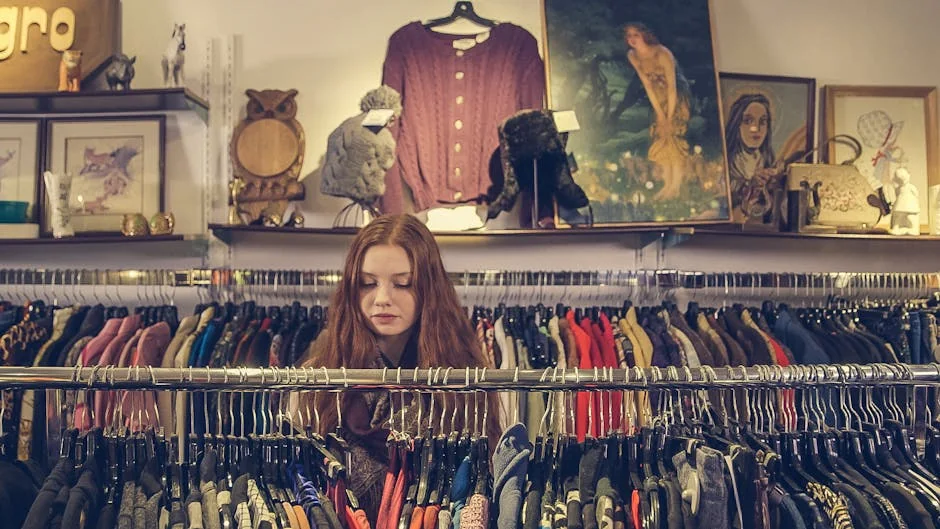
Featured D — Bell & Nouveau Sinsa (vintage clothing and bridal pieces)
Bell & Nouveau is one of the most-listed vintage and bridal-piece boutiques near Sinsa Station, and the entry that does the broadest cross-category work on this list. The boutique runs casual vintage clothing alongside vintage wedding dresses and special-occasion pieces under one roof, with editorial Garosu-gil shopping guides specifically calling out the wedding-dress curation as the unusual feature for the neighbourhood. Format is a small boutique with a sit-down consultation flow for the bridal pieces and a rack-based browse for the casual inventory, hours run daily 12:00 to 20:00, and the price band lands at KRW 80,000 to KRW 1,500,000 per piece — the widest spread on this list, reflecting the bridal-piece range.
The cross-category position is the editorial value. Most Garosu-gil vintage boutiques pick a lane — designer-led, curation-led, or category-specific — and Bell & Nouveau is one of the few that crosses casual vintage and special-occasion pieces inside a single visit. That makes the boutique useful for two distinct visitor types: travellers shopping for everyday vintage who are open to the slower bridal browse as a secondary look, and visitors planning a bridal-piece purchase who want a Garosu-gil-temperature retail experience rather than the dedicated bridal districts in Apgujeong-ro or Cheongdam. The bridal pieces are curated rather than bulk; the team tends to hold roughly twenty to forty dresses on the floor at any given time, with the deeper inventory available to view on request.
English support at the counter is consistent and the team is comfortable narrating the provenance of each piece. The bridal flow is appointment-friendly even though it is not strictly reservation-only; a Naver direct message a day or two ahead through the boutique's public listing tends to secure a dedicated consultation slot if the bridal browse is the primary purpose of the visit. For the casual vintage inventory, walk-in is the standard pattern. Pairing: Bell & Nouveau sits near Sinsa Station, which makes it a natural opener or closer for the Garosu-gil walk depending on which direction you are arriving from. If your trip is anchored further north toward Apgujeong, this is the southern bookend of the loop; if your trip is anchored further south at Sinsa Station, this is the opener that primes the rest of the afternoon. The boutique is the entry on this list that does the most work for visitors who are not certain whether vintage is the right framing for their Seoul trip — the cross-category inventory is the most likely to surface something unexpected.

Featured E — Tamburins Flagship Sinsa (design flagship that closes the loop)
Tamburins Flagship Sinsa is the entry on this list that is not a vintage boutique in the strict sense but anchors the Garosu-gil design lineage that the vintage strip sits inside. The flagship is the Gentle Monster sister brand for fragrance, hand and body care, and Jennie-led brand programming, presented inside a gallery-style flagship with a kinetic-horse installation as the room's centrepiece. Format is an open-floor design flagship rather than a traditional retail boutique, hours run daily 11:00 to 21:00, and the price band lands at KRW 40,000 to KRW 250,000 per piece across the fragrance and body-care lines. The address sits on the Garosu-gil corridor in Sinsa-dong, Gangnam-gu, Seoul, and the storefront is identifiable by the oversized kinetic installation visible through the ground-floor glass.
The editorial inclusion is deliberate. A Garosu-gil retail afternoon read only through vintage and concept boutiques misses the broader design lineage that the strip sits inside — the Gentle Monster, Tamburins, and Nudake constellation that runs from Sinsa northward into the Haus Dosan complex in Apgujeong, and that has set the design temperature for the entire district over the last five years. The Tamburins flagship is the strip's most concentrated reading of that lineage and the cleanest place to see how the same design vocabulary that anchors Haus Dosan reads at a smaller, more retail-scaled storefront. The kinetic-horse installation rotates seasonally and the in-store programming — fragrance tasting, hand-care consultation, occasional pop-up tie-ins — runs on a six-to-eight-week cycle that the brand promotes through its Instagram channel.
From a sequencing standpoint, Featured E is the closer rather than the opener. The vintage and curated-designer boutiques (B, C, and D) reward the more focused browsing pace of the early afternoon; the Tamburins flagship rewards a slower, less purchase-driven walk-through after the wallet decisions have already been made. English support at the counter is consistent, the staff is comfortable walking an international visitor through the fragrance line and the brand context, and the flagship is large enough that a thirty-to-forty-minute close-out visit does not run into queue compression even on Saturday afternoon. Pairing: the Featured A strip walk threads through here naturally, and the dessert piece on this site covers the Nudake Haus Dosan basement that closes the Gentle Monster, Tamburins, and Nudake design loop for a longer afternoon. If you have walked Featured B, C, and D and still have an hour of light, Featured E is the cleanest stop to close the loop on Garosu-gil before the dinner programming begins.
Five Garosu-gil stops — at-a-glance comparison
Categorical comparison across format, hours, price band, specialty, and position on the strip. Use the table to filter on a half-day window — Featured A is the strip itself and works as either an opener or a wrap-around, the middle three boutiques (B, C, D) carry the named-shop weight of the afternoon, and Featured E closes the design-lineage loop.
| Featured | Stop | Format | Hours | Price band (KRW) | Specialty | Position |
|---|---|---|---|---|---|---|
| A | Garosu-gil vintage strip | Open-air retail corridor | Most shops 11:00-22:00 | 30,000-300,000+ | Tree-lined strip and side alleys (serosu-gil) | Connective tissue |
| B | Spicy Color | Three-floor boutique | Daily 12:00-21:00 | 40,000-200,000 | Modern colorful Korean designer pieces | Mid-strip anchor |
| C | 9 Owls | Ground-floor boutique | Daily 12:00-21:00 | 30,000-150,000 | Curated one-off vintage | Mid-strip |
| D | Bell & Nouveau Sinsa | Boutique with bridal consultation | Daily 12:00-20:00 | 80,000-1,500,000 | Vintage clothing and bridal pieces | Sinsa-end bookend |
| E | Tamburins Flagship Sinsa | Design flagship | Daily 11:00-21:00 | 40,000-250,000 | Fragrance, body care, kinetic installation | Apgujeong-end closer |
How to walk the strip in one afternoon
If you have one afternoon, the route I send most often is Featured D as the opener at the Sinsa Station end, Featured C and B as the mid-strip anchors with side-alley browsing between them, and Featured E as the Apgujeong-end closer. The walk runs roughly ninety minutes if you keep moving and closer to three hours if you stop into the side-alley boutiques along the way, which is the realistic pacing for a Garosu-gil retail afternoon. Arrival at Sinsa Station around 13:00 puts you at Featured D inside fifteen minutes; the mid-strip anchors carry the next ninety minutes; the Featured E close-out at the Apgujeong end lands around 16:30 to 17:00, with the late-afternoon light on the gingko trees for the walk back. If the afternoon is anchored further north — a hotel in Apgujeong, a meeting near Dosan Park — reverse the direction and start at Featured E.
A second sequencing option is the two-stop visit. If your day is anchored around a dessert reservation on Featured B from the dessert piece on this site (SONA, a fifteen-minute walk from the Garosu-gil middle), the cleanest plan is the SONA reservation hour bracketed by Featured C and Featured B from this list — a forty-five-minute browse before the reservation and a thirty-minute browse after, total Garosu-gil time inside ninety minutes. If your day is anchored further into Apgujeong proper, the cleanest plan is to skip Featured D and walk the strip from Featured A directly into Featured B and Featured E, closing the loop at the Apgujeong end without doubling back. The five-stop map is designed so that two or three of the entries cover most half-day windows; a longer Seoul trip rewards the full sweep, but the realistic ceiling for a single afternoon is two or three named stops plus the strip walk between them.
Editorial note — how this list was built
This list draws on the Visit Seoul English-language shopping guide for Garosu-gil, the Korea Tourism Organization neighborhood guides, and an editorial cross-check against the long-form English-language Garosu-gil coverage indexed during research. The entries listed are the rooms and the corridor that survived a published-coverage threshold across at least two independent sources and a walk during the research window. I do not accept comped pieces, comped consultations, or comped programming for editorial entries on this site; I do receive standard travel-industry press notes when they are circulated. I have classified each entry on format, specialty, and position rather than ranking them, in keeping with editorial pick framing — this is a curated discovery list rather than a ranking, and the order is south-to-north walking order from Sinsa Station, not preference. Featured E (Tamburins Flagship Sinsa) is included as the related design-flagship anchor that closes the Gentle Monster, Tamburins, and Nudake design loop running through the strip, and is the entry that turns the vintage afternoon into a broader Garosu-gil design read.
A second note on what was excluded. The Garosu-gil mega-flagships — the multi-floor concept stores from international and Korean cosmetic brands that anchor the strip on a queue-and-rotation pace — are not on this list because the editorial value here is in the smaller, more design-led rooms that a short trip can otherwise miss. The international fashion chains and the franchised cosmetics stores on the strip are also excluded for the same reason. A handful of side-alley one-off vintage rooms that did not survive the two-source coverage threshold are on a watch list for a future update; the editorial position is that consistency across published coverage is the cleanest available proxy for durability, and a single one-source mention is not enough to anchor a destination-level recommendation. If a published Seoul shopping guide names a boutique repeatedly across two or three calendar years, that is the signal I weight most heavily. The five entries above all clear that bar.
FAQ — planning a Garosu-gil vintage afternoon
Common questions visitors send before walking the strip. The answers are aggregated from the research window and from the published hours and price bands of each entry.
“Garosu-gil reads as a single retail spine, but the real density is in the side alleys — and the entries that anchor the strip are the ones doing curation work rather than category coverage.”
Daniel Park, Sofwave Studio editorial
Frequently asked questions
Where exactly is Garosu-gil and how do I get there?
Garosu-gil is a 700-metre tree-lined retail strip in Sinsa-dong, Gangnam-gu, Seoul, running roughly from Sinsa Station northward toward Apgujeong. The cleanest subway access is Sinsa Station Exit 8 (Line 3), which puts you at the south end of the strip; Apgujeong Station (Line 3) is the closest access for the north end. Korea Tourism Organization's Visit Seoul platform publishes an English-language Garosu-gil shopping guide with the full map.
Do these vintage boutiques operate on walk-in or reservation?
All five entries — including the strip itself — are walk-in. Featured D (Bell & Nouveau) is appointment-friendly for the bridal-piece browse, and a Naver direct message a day or two ahead through the boutique's public listing tends to secure a dedicated consultation slot. The other four boutiques and the strip itself do not require reservations and rarely run more than a five-to-ten-minute wait outside Saturday afternoon peak.
What is the price range across these five Garosu-gil stops?
The spread runs roughly KRW 30,000 per piece at the side-alley vintage rooms on Featured A up to KRW 1,500,000 for the bridal pieces at Featured D. The middle three named boutiques — Featured B, C, and E — sit in the KRW 30,000 to 250,000 band per piece, which is the typical Garosu-gil designer and curated-vintage range outside of bridal categories. Pricing is closer to a curated mid-market designer boutique than a European thrift store.
Is English supported at Garosu-gil vintage shops?
English support is consistent at the named boutiques on this list — Featured B (Spicy Color), Featured C (9 Owls), Featured D (Bell & Nouveau), and Featured E (Tamburins Flagship Sinsa) all carry English-friendly counter staff. Across the broader Featured A strip walk, the larger anchor stores tend to carry English signage and the smaller side-alley boutiques tilt toward Korean signage with partial English at the counter.
Which entry should a first-time Garosu-gil visitor pick?
Featured A, the strip itself, is the cleanest first read of the neighbourhood because the ninety-minute walk reads the retail temperature of the whole district before you commit to a single boutique. Featured B (Spicy Color) is the cleanest second stop because the three-floor format gives a single anchor for the Korean designer category. Featured E (Tamburins Flagship Sinsa) is the cleanest closer because it ties the strip's design lineage together.
Can I walk all five stops in one afternoon?
Yes. The route runs Featured D at the Sinsa Station end, Featured C and B in the mid-strip with side-alley browsing along Featured A between them, and Featured E at the Apgujeong end as the closer. Start at Sinsa Station around 13:00, plan ninety minutes of focused walking plus side-alley stops, and the Featured E close-out lands around 16:30 to 17:00 with the late-afternoon light on the gingko trees for the walk back.
Where are the side alleys (serosu-gil) and why do they matter?
Serosu-gil are the side alleys running perpendicular off Garosu-gil at roughly fifty-metre intervals. They carry the highest concentration of one-off vintage and reworked Korean designer boutiques on the strip — quieter, smaller storefronts that the larger main-street flagships do not match. The editorial pattern is to walk Garosu-gil north along the east side and duck into a side alley every two or three storefronts to scan the boutiques.
How does Garosu-gil compare to other Seoul vintage districts?
Garosu-gil is the curated mid-to-upper end of the Seoul vintage and concept-store ecosystem — pricing closer to a designer boutique, curation skewing toward Korean designer pieces and one-off American vintage. For bulk thrift and lower price bands, the better districts are east of the river in Seongsu or further north toward Itaewon and Hannam-dong. The Visit Seoul English-language shopping guide indexes the main neighbourhoods end to end.