Field Index
6 Late-Night Spots in Gangnam Worth Knowing (Cocktails, BBQ Recovery, Tent Bars)
An editorial walk through the Cheongdam speakeasy belt and the post-midnight noodle and soup houses that close the loop on a Gangnam Friday night.
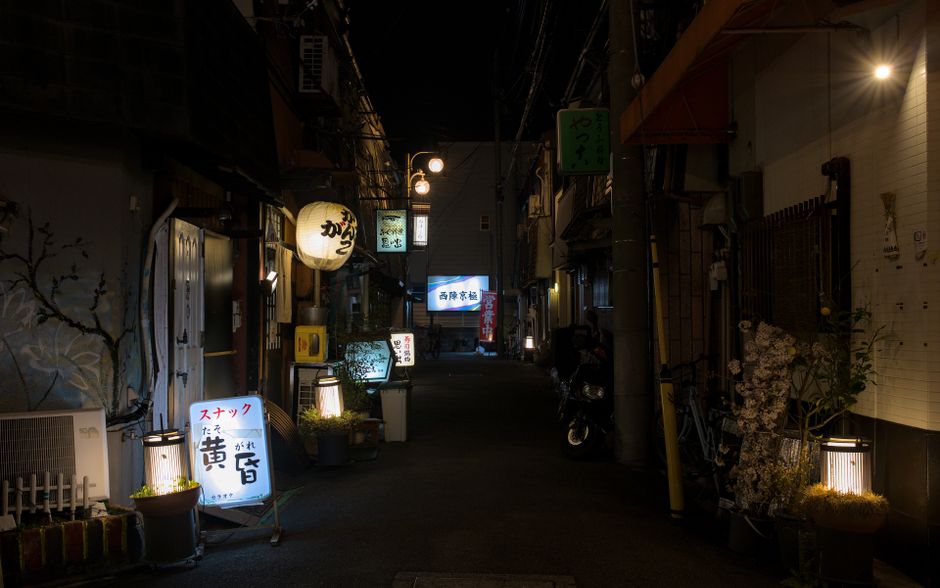
Gangnam after dark reads, on a first pass, as a wide grid of neon-lit corporate corridors with the noise turned up — Gangnam Station's nightlife funnel, the Apgujeong club row, the Cheongdam luxury spine. What that first read misses is the way the district actually layers itself between the hours of nine in the evening and four in the morning. The most editorially considered cocktail bars in the city sit two basements below street level on the Cheongdam side. The recovery food — the post-soju cold-noodle houses, the back-alley hangover-soup belt, the tent-bar (pocha) row through Sinsa and Apgujeong — sits in a different operational temperature than the Hongdae or Jongno equivalents, with neon-fronted storefronts where the older districts run literal tents. The six entries below are presented as Featured A through F, in the order I would actually walk them across one Friday night, not as a ranking. The first three (A, B, C) are the Cheongdam cocktail trio that anchors Asia's 50 Best Bars routing through Seoul. The last three (D, E, F) are the late-night dining categories that catch the after-hours economy when the bars close. The editorial position is that the cocktail belt and the recovery-food belt are doing the same operational work at different times of night, and you cannot really read Gangnam after dark without walking both. Like the dessert and vintage pieces on this site, I have not ranked these — the alphabetical labels follow walking sequence and intended pacing, not preference.
How to read this Gangnam after-dark map
Late-night Gangnam runs on three operational shifts. The early-evening cocktail program starts around 7 PM in the Cheongdam basements and runs to roughly 3 AM on a weekend, with the bar staff working a single long shift through the night. The late-night dining program — naengmyeon (cold buckwheat noodles), haejangguk (hangover soup), pocha tent-bar plates — picks up between 10 PM and midnight and runs through to morning, with the recovery-food houses specifically engineered to catch the post-club crowd as the venues empty out. The third shift is the convenience-food and 24-hour gimbap floor that closes the loop near 5 AM. The six entries below sit across the first two shifts. I am not covering the 24-hour gimbap or convenience-store layer here because it does not reward a destination visit — that genre is functional rather than editorial, and the better Seoul late-night reads consistently leave it off.
The categorical split matters because it sets the sequencing of the night. The Cheongdam cocktail trio (Featured A, B, C) is built for the 8 PM to midnight window, reservation-recommended, and rewards arriving early enough to talk to the bar. The late-night dining picks (Featured D, E, F) are walk-in, picture-menu friendly, and rewards arriving after the cocktail program has already done its work. Routing the night so that the bars feed into the food and not the other way around is the single most useful piece of planning here. I have classified each entry on three axes: format (basement cocktail bar, category-belt dining, pocha street-format), window (the hours the entry is best used inside), and price band (KRW per cocktail or per dish, as a planning anchor rather than a strict cap). The strip itself, the Cheongdam to Sinsa walking corridor, is the connective tissue across all six entries — roughly a 20-minute walk end to end, more useful as a slow stroll than a Kakao Taxi shuttle on a weekend.
A note on what this list is not. It is not a Gangnam club guide. The Apgujeong club row — Octagon, Arena, and the rotating roster of newer rooms — runs on a different editorial logic and is covered better by the Seoul nightlife magazines that update their picks every few months. It is also not a 24-hour list. The convenience-food and karaoke (noraebang) layer that runs literally around the clock is functional infrastructure, not a destination read. Finally, it is not a list of single venues across the dining picks. The late-night dining belt in Gangnam runs as a category-of-shops format — naengmyeon houses cluster, hangover-soup houses cluster, pocha cluster — and the editorial value is in the cluster pattern, not in singling out one storefront whose hours and operators rotate too fast for a static guide. The three dining picks are presented as the cluster categories rather than as individual venue names for that reason.

Featured A — Le Chamber (Cheongdam basement speakeasy, bookshelf door)
Le Chamber is the canonical Seoul speakeasy and the entry I treat as the editorial opener for any Gangnam after-dark walk. The bar is ranked No. 50 on Asia's 50 Best Bars 2025, which is the routing list that international bartenders use when they fly into Seoul, and the room is built around a hidden bookshelf door that swings open into a 50-seat leather-and-chandelier basement on the Cheongdam side. Format is a classic-style speakeasy with a 200-plus whisky list and live piano programming through the late hours. Hours run Monday through Saturday 19:00 to 03:00, the price band lands at KRW 25,000 to 45,000 per cocktail, and the address sits on Dosan-daero 55-gil in Gangnam-gu — a five-minute walk from the Apgujeong Rodeo subway entrance. Reservations are recommended in advance, especially on Friday and Saturday after 9 PM, and English-speaking bartenders work the bar through every shift.
The operational read is the part most international visitors miss on a first visit. Le Chamber is not a theatrical bar in the way Alice Cheongdam is — the room does the work through bartender depth, glassware, and ice rather than through props or molecular technique. The 200-plus whisky list is the operational anchor here, and arriving early enough to talk through it with the bar before the room fills is the difference between a 90-minute drink and a 30-minute one. The bookshelf entrance is the photo moment but not the substance. The substance is the long, slow first sip on a stool at the main bar around 8 PM before the live piano starts, when the bartenders have the time to walk a visitor through what the program is doing that month. I send first-time Gangnam visitors here as the first stop of the night for that reason.
From a sequencing standpoint, Featured A is the opener rather than the closer. The room reads cleanest in the 19:30 to 22:00 window, before the post-dinner crowd fills the second-tier seating and the noise floor climbs. The Cheongdam side carries the rest of the cocktail trio within a 12-minute walk, which is the editorial rationale for routing the night through here first. Pairing: the Featured B and C entries below are a five-minute and an eight-minute walk respectively, and the Featured D, E, F late-night dining picks all sit on the southbound walk back toward Sinsa or Gangnam Station for the post-cocktail recovery food. If you are arriving by Kakao Taxi, the request point on Dosan-daero 55-gil is the cleanest meeting spot; if you are arriving by subway, Apgujeong Rodeo Station (Bundang Line) Exit 4 is the standard entry.

Featured B — Alice Cheongdam (flower-shop hidden door, Lewis Carroll concept)
Alice Cheongdam is the most theatrical of the Gangnam speakeasies and the entry I include as the mid-strip anchor of the cocktail trio. The bar is a regular fixture on Asia's 50 Best Bars and operates with a Lewis Carroll concept that runs through the menu design, the glassware, and the molecular-technique cocktail program. The entrance is the editorial signature here: visitors walk through a working flower shop facade and through a hidden door at the back into the bar room itself. Format is a basement cocktail bar with a concept-led program rather than a classic-driven one, hours run Monday through Saturday 19:00 to 03:00, and the price band lands at KRW 22,000 to 40,000 per cocktail. The address sits in Cheongdam-dong on the same Apgujeong Rodeo to Cheongdam axis as Le Chamber, and reservations are recommended on weekend nights.
The operational difference between Alice and Le Chamber is the bar program philosophy. Le Chamber is classic-driven and rewards the long stool talk; Alice is concept-driven and rewards a two-cocktail visit followed by a walk to the next room. The Lewis Carroll program runs across the cocktail names, the presentation, and the bar snacks — visitors who have done the Le Chamber stool work appreciate the technique pivot at Alice, and the room tends to feel less like a sit-and-talk bar than a sit-and-watch one. The international travel press positions Alice as the bucket-list entry on the Cheongdam route, which means the room runs busier than Le Chamber on Friday and Saturday after 10 PM and the reservation buffer matters more here. The flower-shop facade is the photo moment that has carried in Korean drama and international press coverage, and the staff is comfortable with the requested-photo etiquette at the door.
From a sequencing standpoint, Featured B is the natural second stop after Featured A. The two bars sit within a five-minute walk on the Cheongdam side, the price bands are within 10 percent of each other, and the bar programs are different enough to make the contrast worth sitting through. English support at the counter is consistent, the bartenders are comfortable walking an international visitor through the concept menu, and the rooms are sized to handle the post-dinner crowd that arrives around 10 PM. Pairing: the Featured C entry below closes the trio at the more ingredient-led end of the spectrum, and the late-night dining picks (D, E, F) anchor the walk back south toward Sinsa or Gangnam Station after the cocktail program is done. If your night is anchored at a Cheongdam hotel, Alice is the most accessible of the three; if your night is anchored at Gangnam Station, the Featured D haejangguk route below feeds the walk back.
Featured C — Zest (Cheongdam seasonal-ingredient bar, cocktail-purist program)
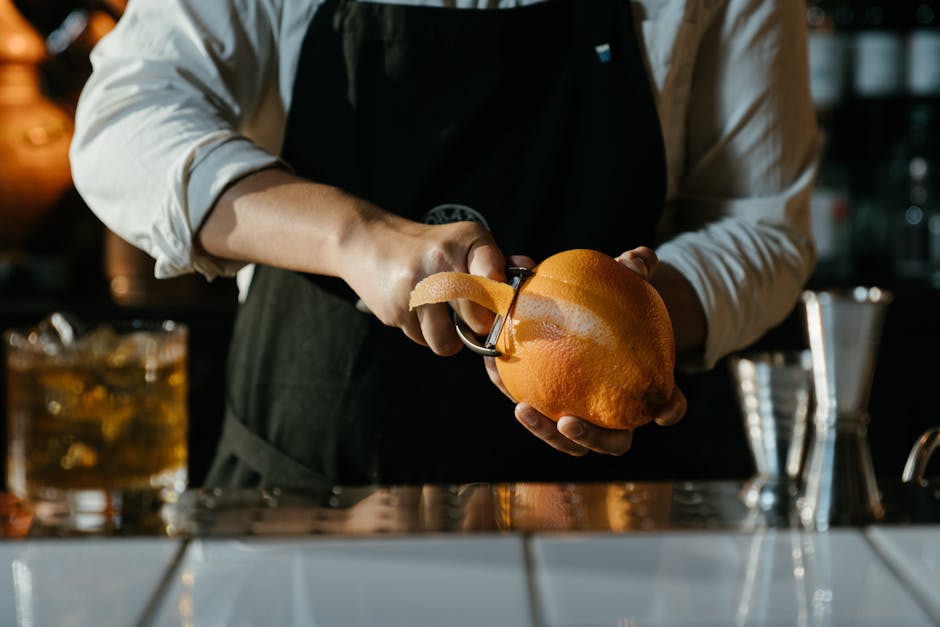
Zest is the most ingredient-driven of the Cheongdam cocktail trio and the entry I include as the editorial closer of the bar program. The bar sits on the Asia's 50 Best Bars list and leans the cocktail program on seasonal Korean produce and classic-driven recipes rather than on theatrical presentation. Format is a sit-down cocktail bar with a tighter footprint than Le Chamber or Alice and a counter-led program where the bartenders work in front of the room. Hours run Tuesday through Saturday 18:00 to 02:00 — slightly earlier opening and slightly earlier closing than the other two, which is part of the sequencing logic here — and the price band lands at KRW 22,000 to 38,000 per cocktail. The address sits in Cheongdam-dong within walking distance of both Le Chamber and Alice, and reservations are recommended for the counter seating on weekend nights.
The operational position is the part worth the longer look. Zest attracts a cocktail-purist crowd — the bar professionals, the bartenders on their nights off, the international visitors who have already done Le Chamber and Alice and want the technical counter read. The program is built around seasonal Korean ingredients (the menu rotates with the produce, not with a fixed concept) and the recipes lean on the classics rather than on molecular technique. The counter is the editorial seating here. A two-cocktail visit at the counter, with the bartender talking through what the seasonal program is doing that month, is the read I send to visitors who care about the technical layer of the program rather than the room presentation. The room is smaller than the other two and the reservation buffer matters more, especially after 9 PM on a Friday or Saturday.
From a sequencing standpoint, Featured C is the closer rather than the opener. The earlier 02:00 close means the last orders land near 01:30, which fits the natural arc of a Gangnam late-night walk that picks up dinner after the bar program ends. A second sequencing option is to reverse the order — Zest at 19:00 for the counter shift, then Le Chamber for the long stool, then Alice as the late-night theatrical close — which is the routing some bar-professional friends prefer. Either direction works inside a single night. Pairing: Featured D, E, F below catch the post-cocktail recovery food on the walk back, and the natural exit from Zest runs along the Cheongdam to Sinsa axis where the pocha tent-bar strip and the back-alley hangover-soup belt anchor the late-night dining belt. English support at the counter is consistent and the staff is comfortable with technical questions about the bar program.
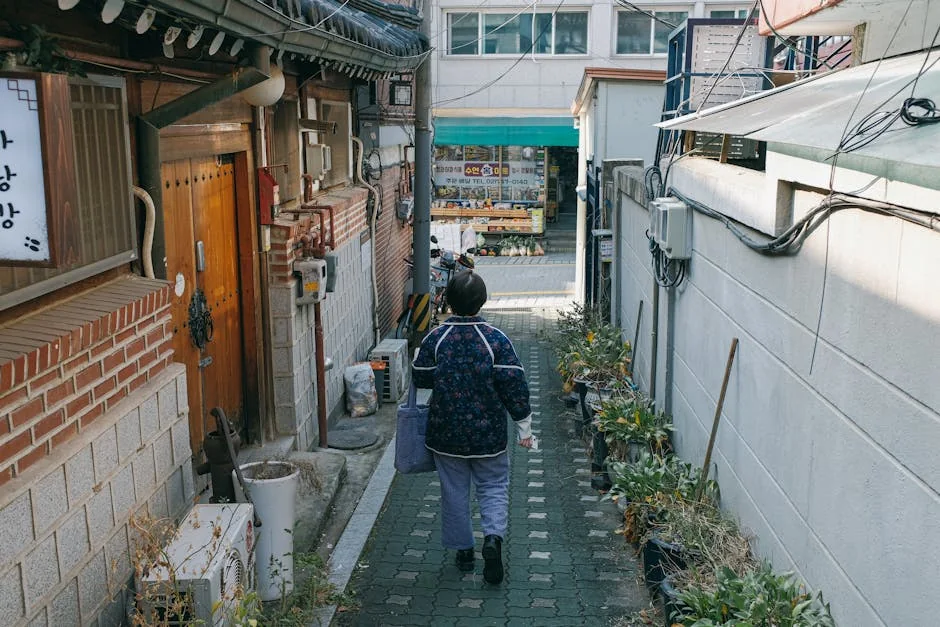
Featured D — Haejangguk back-alley belt (Gangnam Station hangover-soup houses)
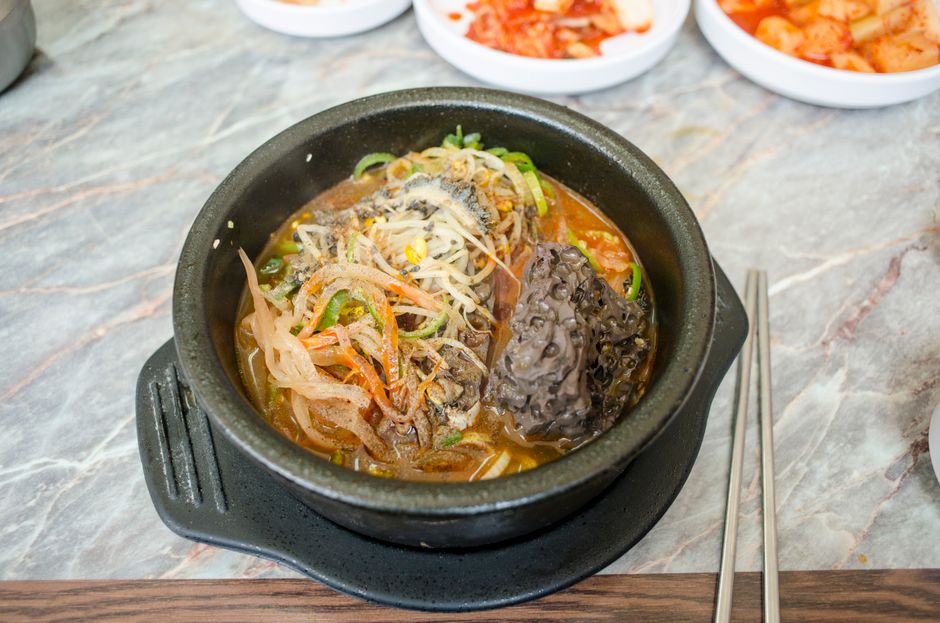
The haejangguk (hangover-soup) houses around Gangnam Station are the entry I include as the canonical late-night recovery food of the district. Haejangguk is a Seoul late-night institution that specifically opens when clubs close, with most of the back-alley houses running a 22:00 to 08:00 window through the night and serving a beef-bone-stock soup with congealed blood, dried cabbage, and a slow build of spice that reads as functional food rather than restaurant programming. Format is a category-of-shops belt running through the alleyways behind Gangnam Station on the Yeoksam side. Price band lands at KRW 10,000 to 15,000 per bowl, which is the lowest entry on this list and the price point that makes the genre durable as a recovery-food layer. The cluster sits within a five-minute walk of Gangnam Station Exit 11 on the southeast side.
The editorial value is in the cluster pattern, not in singling out one storefront. The houses rotate operators, the storefronts shift on a multi-year cycle, and the Seoul late-night guides that have stayed accurate across two or three calendar years consistently treat the belt as a neighborhood feature rather than a single-venue recommendation. The cluster reads cleanest between midnight and 4 AM on Friday and Saturday, when the after-club crowd has already cycled through, and the picture menus that the houses run mean the language barrier is functionally zero for international visitors. The standard order is the haejangguk bowl with a side of rice and a small bottle of cold soju, which is the operational pairing that has anchored the genre since the 1980s.
From a sequencing standpoint, Featured D is the natural close-out of a Gangnam Station-anchored night. The walk south from the Cheongdam bar trio to the Gangnam Station haejangguk belt runs roughly 25 minutes on foot or six to eight minutes by Kakao Taxi, and the recovery soup lands cleanly at the 02:00 to 03:00 window when the cocktail bars are doing last call. A second sequencing option is to skip the Gangnam Station belt entirely and route the post-bar food through Featured E (the Sinsa pocha strip) or Featured F (the naengmyeon houses) on the Cheongdam to Sinsa axis, which is the routing that keeps the night on one walking corridor. The editorial position is that one of the three late-night dining picks (D, E, or F) lands cleanly on the walk home from the cocktail trio, and the choice between them is a matter of taste and what your stomach is asking for at the time. Picture menus are the standard, English signage is partial, and walk-in is the only operating mode.

Featured E — Sinsa and Apgujeong pocha strip (neon-fronted Korean tent bars)
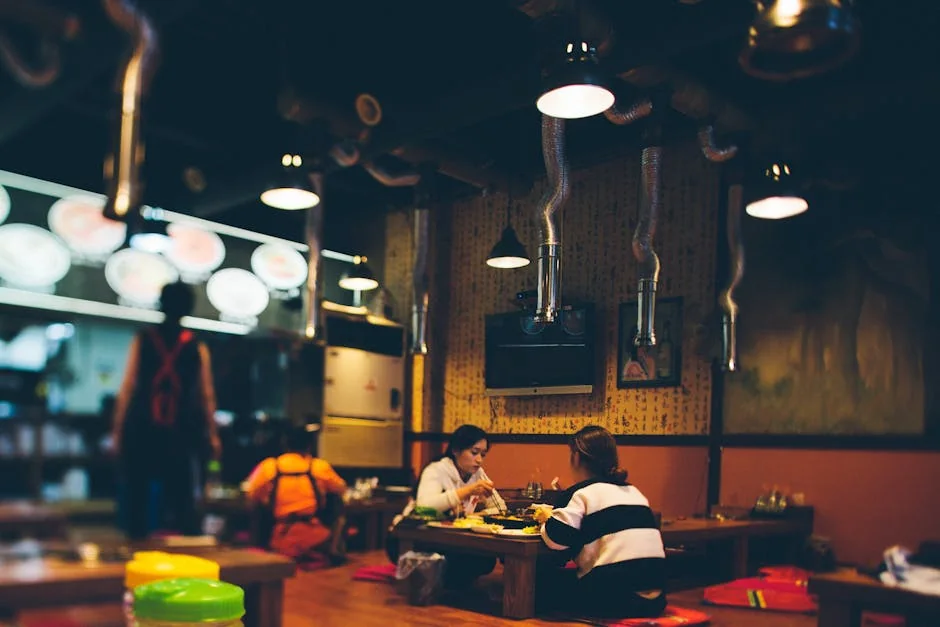
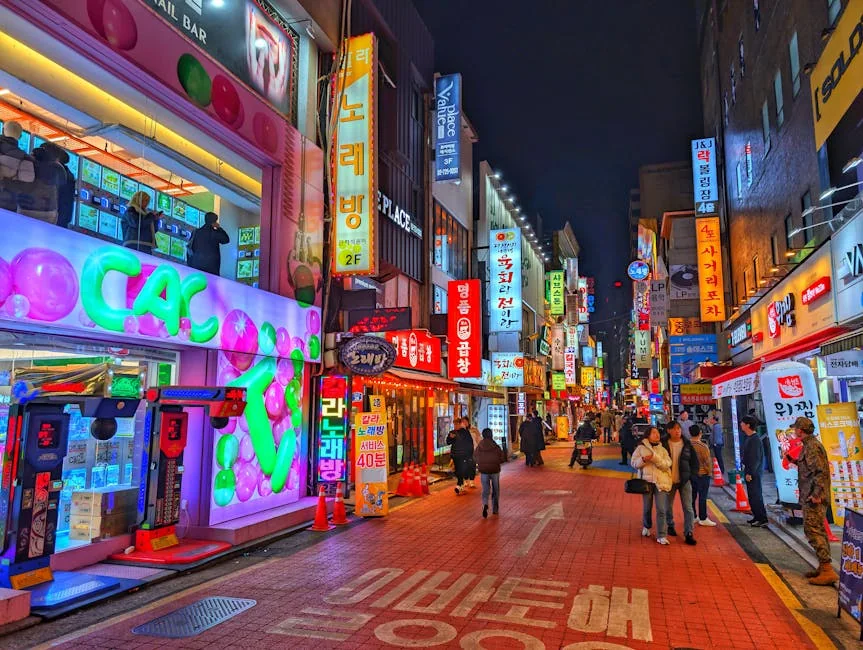
The pocha (tent-bar) strip running through Sinsa and Apgujeong is the Gangnam read on a Seoul late-night genre that runs across the city in different formats. Pocha originally referred to the literal canvas tent setups that anchored Hongdae and Jongno in the 1990s; the Gangnam version has evolved into neon-fronted restaurant storefronts that serve the same anju (drinking food) plates from a polished interior format. Editorial Seoul guides specifically position the Gangnam pocha belt as the more upscale version of the genre, with table service, picture menus, and full bar programs alongside the standard soju and beer pours. Format is a street-level pocha row with multiple storefronts inside a two-block radius, hours run typically 18:00 to 04:00 with the heaviest traffic landing between 22:00 and 02:00, and the price band lands at KRW 8,000 to 20,000 per dish. The cluster anchors the side streets off Garosu-gil in Sinsa and runs north into the Apgujeong residential edge.
The operational difference between Gangnam pocha and the Hongdae or Jongno equivalents is the temperature of the room. Hongdae pocha runs casual, university-aged, and tent-format; Jongno pocha runs older and more traditional with the canvas tents still standing on some streets; the Gangnam version sits between the two on age and runs polished on the format, with the restaurant storefronts replacing the tents and the anju menu running into the KRW 18,000 to 20,000 range that does not exist in the other two districts. The standard order is two or three anju plates (Korean street-food classics like spicy chicken feet, grilled mackerel, or Korean rolled omelette), a bottle of soju, and a long sit that runs two to three hours. The format is sit-and-talk rather than eat-and-leave, which is the operational rhythm that distinguishes it from the Featured D haejangguk belt where the bowl-and-leave window is closer to 30 minutes.
From a sequencing standpoint, Featured E is the entry I send to visitors who want the longer late-night sit after the bar program. The walk from the Cheongdam cocktail trio to the Sinsa pocha strip runs roughly 15 minutes south, the pocha rooms are sized to handle a 22:00 to 02:00 long-sit window comfortably, and the noise floor is lower than the haejangguk houses because the format is built around table conversation rather than functional recovery. Pairing: the Featured F naengmyeon close-out below sits within a five-minute walk of the Sinsa pocha strip and reads as the next stop after the pocha sit ends. English support is partial — picture menus are universal, but the more interesting menu items often run in Korean only on the side boards, and the staff is comfortable with phone-based translation through the order. Walk-in is the standard operating mode and reservations are not part of the format here.

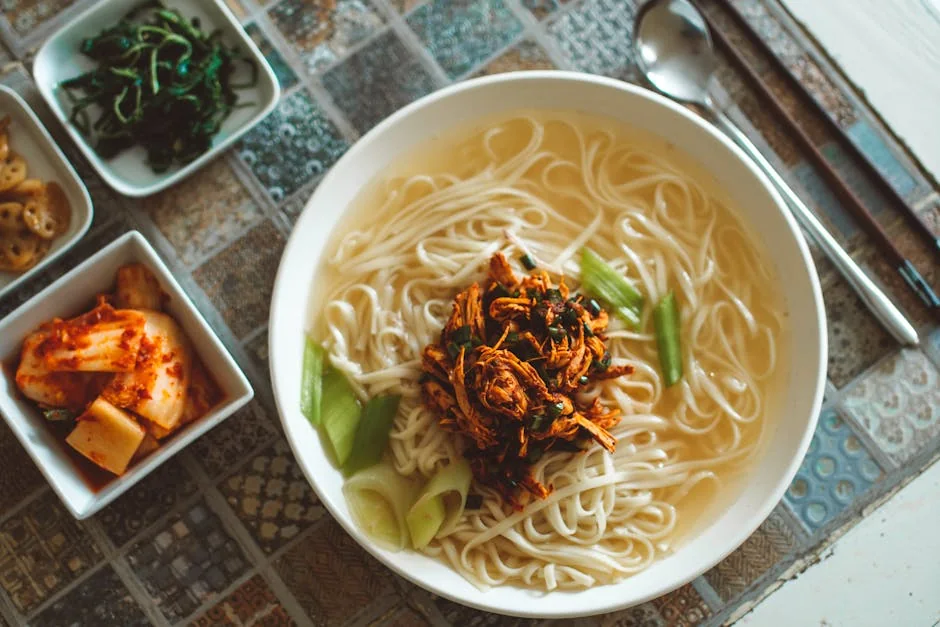
Featured F — Gangnam Station 24-hour naengmyeon houses (cold-noodle close-out)
The 24-hour naengmyeon houses around the Gangnam Station and Yeoksam corridor are the entry I include as the canonical post-soju recovery close-out of the night. Naengmyeon is a Korean cold buckwheat noodle dish served in chilled beef broth (mul-naengmyeon) or with a spicy red-pepper sauce (bibim-naengmyeon), and the 24-hour version of the genre is unique to Seoul late-night dining because almost no other cuisine runs the full overnight window with the same operational consistency. Format is a category of dedicated noodle houses clustered through the Gangnam Station to Yeoksam side streets, with several of the rooms running a literal 24-hour clock and the rest running a 22:00 to 06:00 late-night window. Price band lands at KRW 12,000 to 16,000 per bowl, which is the middle entry on the dining side of this list. Picture menus are universal and the language support is high enough that international visitors arrive without friction.
The editorial value is in the genre as a late-night close-out, not in singling out a single venue. The cluster runs across several houses with overlapping menus and rotating operators, and the Seoul late-night guides that have stayed durable across multiple calendar years treat the genre as a category feature rather than a single-room recommendation. The standard order is one bowl of mul-naengmyeon (clean and cold, which is the recovery version) with optional side dishes — a Korean rolled omelette, a small plate of dumplings, or a bowl of warm beef broth on the side as a counterweight to the chilled noodles. The post-soju logic here is that the cold broth and the clean buckwheat noodles read as functional food rather than additional caloric load, which is the read that has kept the genre durable for forty years.
From a sequencing standpoint, Featured F is the cleanest single close-out of the night. The walk from the Sinsa pocha strip to the Gangnam Station naengmyeon belt runs roughly 12 minutes south, and the naengmyeon houses absorb the 02:00 to 04:00 window cleanly. A second sequencing option is to use Featured F as a midnight pause between the Cheongdam cocktail trio and the Featured E pocha sit — a 30-minute bowl, then a walk back north for the long pocha sit, then the haejangguk belt at the 03:00 close-out. Either direction works. Pairing: the picture menus are the standard accommodation, English signage is partial, and walk-in is the only operating mode. If you are routing the night around a Gangnam Station hotel, the naengmyeon belt is the closest of the three dining picks; if you are routing around a Cheongdam or Apgujeong hotel, the pocha strip is the more natural close-out.
Six late-night stops — at-a-glance comparison
Categorical comparison across format, hours, price band, neighborhood, and the window the entry is best used inside. The cocktail trio (A, B, C) anchors the 19:00 to 03:00 window on the Cheongdam side; the dining picks (D, E, F) anchor the 22:00 to 06:00 window across Gangnam Station, Sinsa, and the Yeoksam alleyways. Use the table to filter on a half-night window — a Friday-night walk that wants two bars and one dining stop, a one-bar-one-pocha-one-naengmyeon routing, or the all-six sweep that runs through to morning.
| Featured | Stop | Format | Hours | Price band (KRW) | Neighborhood | Best window |
|---|---|---|---|---|---|---|
| A | Le Chamber | Basement speakeasy, bookshelf door | Mon-Sat 19:00-03:00 | 25,000-45,000 per cocktail | Cheongdam / Apgujeong | Opener, 19:30-22:00 |
| B | Alice Cheongdam | Flower-shop hidden door, Lewis Carroll concept | Mon-Sat 19:00-03:00 | 22,000-40,000 per cocktail | Cheongdam | Mid-strip, 21:00-23:30 |
| C | Zest | Counter-led seasonal cocktail bar | Tue-Sat 18:00-02:00 | 22,000-38,000 per cocktail | Cheongdam | Closer of trio, 22:00-01:30 |
| D | Haejangguk back-alley belt | Hangover-soup category-of-shops | Most open 22:00-08:00 | 10,000-15,000 per bowl | Gangnam Station / Yeoksam | Post-club, 01:00-04:00 |
| E | Sinsa-Apgujeong pocha strip | Neon-fronted Korean tent-bar belt | Typically 18:00-04:00 | 8,000-20,000 per dish | Sinsa / Apgujeong | Long sit, 22:00-02:00 |
| F | Gangnam Station naengmyeon houses | 24-hour cold-noodle category | 24 hours daily | 12,000-16,000 per bowl | Gangnam Station / Yeoksam | Close-out, 02:00-05:00 |
How to sequence one Friday night across the six stops
If you are routing one Friday night across the full sweep, the walk I send most often is Featured A as the opener at 19:30, Featured B as the second bar from 21:30, Featured C as the counter close-out of the cocktail trio from 22:30 to 01:00, Featured E as the long pocha sit from 01:30 to 03:00, and Featured F as the cold-noodle close-out at 03:30. The Featured D haejangguk belt is the alternate to Featured F when the stomach is asking for warm rather than cold, and is a five-minute Kakao Taxi from the naengmyeon cluster. The full sweep runs from 19:30 through to 04:30, which is roughly nine hours of continuous walking, sitting, and eating across a five-stop spine plus an optional sixth. The realistic ceiling for one night is the trio plus two dining stops; the seventh layer (the 24-hour gimbap and convenience-food float that closes the loop near 05:00) is outside the editorial frame here.
A second sequencing option is the two-bar night. If you are anchored at a Cheongdam hotel and want a slower read, the cleanest plan is Le Chamber at 20:00 for the long stool, then Alice at 22:30 for the concept program, then the Sinsa pocha strip (Featured E) for the long-sit close-out from 00:00 to 02:00. Skip the second bar and skip the haejangguk belt; the night runs cleaner at six hours of pacing than at nine. A third option is the cocktail-and-bowl pairing — one bar, one dining stop — that lands on Le Chamber from 20:00 to 22:30 and Featured F naengmyeon at 23:00 for the cold-noodle close. For visitors who are routing a Gangnam evening around a Saturday morning treatment day or an early-Sunday flight from Incheon, the cocktail-and-bowl pairing is the version I recommend most often. The six-stop list is designed so that one or two of the bars plus one of the dining categories covers most realistic night windows; the all-six sweep is the maximalist version reserved for the long-weekend visitor who wants to read the district end to end.
Editorial note — how this list was built
This list draws on the Asia's 50 Best Bars 2025 list (Le Chamber at No. 50, Alice Cheongdam and Zest as recurring fixtures), the Visit Seoul English-language late-night dining guides, the Korea Tourism Organization neighborhood coverage, and a cross-check against the long-form English-language Seoul nightlife press indexed during research. The six entries listed are the bars and the dining categories that survived a published-coverage threshold across at least two independent sources and that operate inside the Gangnam-gu boundary. The dining picks are deliberately presented as cluster categories rather than as single venues because the late-night dining belt rotates operators and storefronts faster than a static editorial list can track — the cluster patterns hold across multi-year coverage even when individual venues change hands. I have classified each entry on format, hours, neighborhood, and the window the entry is best used inside rather than ranking them, in keeping with editorial pick framing.
A second note on what was excluded. The Apgujeong club row — the four-floor electronic-music venues that run on a different operational schedule than the bar trio — is not on this list because the editorial value of a Gangnam after-dark read is in the bar program and the recovery-food belt rather than in the club layer, which is covered better by the Seoul nightlife magazines that update their picks every quarter. The 24-hour convenience-store and gimbap-house layer is also excluded for the same reason — the genre is functional infrastructure, not destination programming, and a list that includes it dilutes the editorial signal of the bar and dining picks. Finally, the Gangnam karaoke (noraebang) layer is outside the frame here because the genre is private-room programming rather than walk-in public space and rewards a different editorial treatment. The six entries above all clear the two-source coverage bar and operate inside the Gangnam-gu administrative boundary that anchors the rest of the editorial pieces on this site. If a Seoul late-night guide names a bar or dining cluster repeatedly across two or three calendar years, that is the signal I weight most heavily.
FAQ — planning a Gangnam late-night walk
Common questions visitors send before routing a Gangnam Friday night. The answers are aggregated from the research window and from the published hours and price bands of each entry.
“Gangnam after dark is not really one district. It is a cocktail program on the Cheongdam side, a recovery-food belt on the Gangnam Station side, and a pocha sit in between — and the night reads cleanest when you walk all three rather than picking one.”
Daniel Park, Sofwave Studio editorial
Frequently asked questions
Do I need reservations for the Cheongdam cocktail bars?
Reservations are recommended for Featured A (Le Chamber), Featured B (Alice Cheongdam), and Featured C (Zest), especially after 21:00 on Friday and Saturday. All three bars accept reservations through their public listings or by phone, and the room sizes (50 seats at Le Chamber, smaller at Alice and Zest) mean a weekend walk-in after 22:00 typically faces a 30-to-60-minute wait. Weeknight walk-ins before 21:00 are usually fine.
What is the price range across the six stops?
Cocktails at the Cheongdam trio (Featured A, B, C) run KRW 22,000 to 45,000 per drink, with Le Chamber sitting at the top of the band. The dining picks run lower: the haejangguk belt (Featured D) at KRW 10,000 to 15,000 per bowl, the pocha strip (Featured E) at KRW 8,000 to 20,000 per dish, and the naengmyeon houses (Featured F) at KRW 12,000 to 16,000 per bowl. A typical night of two bars plus one dining stop runs KRW 100,000 to 180,000 per person.
Is English supported across these venues?
English support is consistent at the Cheongdam cocktail trio — Featured A, B, and C all have English-speaking bartenders and English menu support through every shift. The late-night dining picks (D, E, F) lean on picture menus and partial English signage rather than English-speaking service, which is the standard pattern for the genre and works without friction for international visitors. Phone-based translation handles the rest.
How do I get from Cheongdam to the Gangnam Station dining belt?
The walk from the Cheongdam cocktail trio (Featured A, B, C) to the Gangnam Station haejangguk belt (Featured D) or the naengmyeon houses (Featured F) runs roughly 25 minutes on foot or six to eight minutes by Kakao Taxi. Most visitors take a taxi after midnight when the walk gets cold. The Sinsa pocha strip (Featured E) sits between the two and is a natural 15-minute walking stop on the southbound route.
Which subway stations anchor these stops?
Apgujeong Rodeo Station (Bundang Line) Exit 4 anchors Featured A, B, and C — all three Cheongdam bars sit within a 12-minute walk of that exit. Sinsa Station (Line 3) Exit 8 anchors Featured E, the pocha strip. Gangnam Station (Line 2) Exit 11 anchors Featured D (haejangguk) and Featured F (naengmyeon). Subway service runs until midnight, so post-midnight movement runs on Kakao Taxi rather than the metro.
Can I do all six stops in one night?
Yes, but the realistic pacing is roughly nine hours from 19:30 through to 04:30 across the full sweep. Featured A opens, Featured B mid-strip from 21:30, Featured C as the cocktail closer through 01:00, Featured E as the long pocha sit to 03:00, and Featured F as the cold-noodle close-out at 03:30. The Featured D haejangguk belt is the warm-soup alternate to Featured F. Most visitors realistically run two bars plus one dining stop on a single night.
Are the late-night dining picks single venues or clusters?
Featured D (haejangguk), Featured E (pocha), and Featured F (naengmyeon) are all cluster categories rather than single named venues. The Gangnam late-night dining belt operates as a cluster format — multiple houses with overlapping menus, rotating operators, and a multi-year storefront cycle — and the editorial value lies in the cluster pattern rather than in singling out one storefront whose hours and operators shift faster than a static guide can track.
How does Gangnam late-night dining compare to Hongdae or Jongno?
Gangnam runs more polished on the format. The pocha (Featured E) operate as neon-fronted restaurant storefronts rather than the literal canvas tents of Hongdae or Jongno, the haejangguk houses (Featured D) lean upscale on price by roughly 20 percent versus the older districts, and the naengmyeon belt (Featured F) runs the full 24-hour clock more consistently than the equivalent clusters in the other neighborhoods. The Visit Seoul English-language late-night dining guides index all three districts end to end.